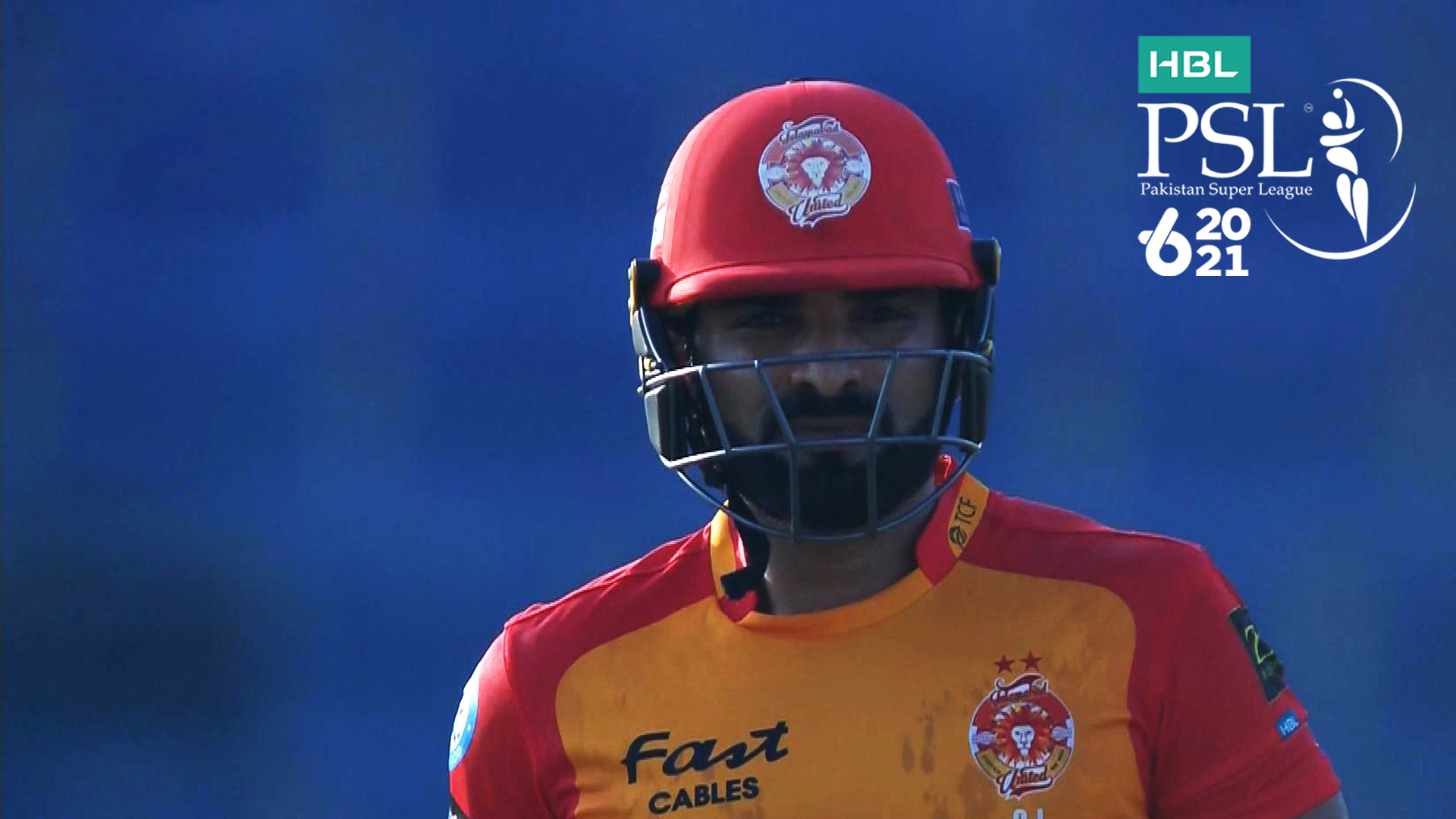
Cricket in Pakistan isn't just a game; it's a massive, chaotic, and beautiful fever dream that grips the country every spring. Honestly, if you haven't stood in a packed Gaddafi Stadium when Shaheen Afridi is steaming in for the first ball of a spell, you're missing out on one of the loudest experiences in global sport. But things are changing fast. The Pakistan Super League is no longer that "new" tournament trying to find its feet in the UAE. It has evolved.
As we head into the 2026 season, the league is undergoing its most radical transformation since 2016. Forget the six-team format you've grown used to. The PCB finally pulled the trigger on expansion, and the implications are kind of wild.
The Big Shake-up: Eight Teams and a New Map
For years, the "six-team" ceiling felt like a safe bet. Critics argued that adding more teams would dilute the talent pool. They were wrong. On January 8, 2026, the auction for two new franchises shattered records. Hyderabad and Sialkot are officially in the mix.
FKS, a US-based conglomerate, dropped a staggering $6.2 million (roughly Rs 1.75 billion) to bag the Hyderabad franchise. Not to be outdone, OZ Developers picked up Sialkot for $6.55 million. These are the highest prices ever paid for PSL teams. It’s a massive vote of confidence in the local economy, especially when you consider how many people thought the league's valuation had plateaued.
Sialkot, in particular, is a fascinating addition. This is the city that produces the world's best cricket gear. Basically, the league is now tapping into a deep-rooted industrial sporting culture. Hyderabad brings the soul of interior Sindh into the limelight. It’s about time.
Why the 2026 Schedule is a Head-Scratcher
Check your calendars, because the "February-March" window is officially dead for this year. The 2026 Pakistan Super League is set to run from March 26 to May 3.
Why? Because the ICC Men’s T20 World Cup is hogging the February slot.
This creates a bit of a scheduling nightmare. For the second year in a row, the PSL will overlap with the IPL. This used to be the "forbidden zone" for T20 leagues. Most boards avoided the IPL window like the plague to ensure they could get big-name overseas players. But the PCB is betting on the league's own gravity.
Mohsin Naqvi, the PCB Chairman, has been pretty vocal about this—he basically said Pakistan's international commitments had to be shifted to make this work. A tour of Bangladesh that was supposed to happen in April? Moved. The league is now the priority. It's a risky move, but with digital viewership for the 2025 season crossing 1.1 billion views by just the 12th match, the board clearly feels they have the leverage.
The Format Swap: No More Playoffs?
This is where it gets controversial. With eight teams, the old double round-robin format would take forever. The 2026 season is shifting to a three-phase structure:
- Phase One: A single round-robin where all eight teams play each other once.
- Phase Two: Two groups of four. You play the teams in your group to decide who's actually got the legs for a title run.
- Phase Three: A knockout bracket.
Wait, what happened to the Page Playoff system? It’s gone. For 2026, the league is moving toward a more traditional "semi-final and final" elimination style. Purists are going to hate it. They’ll miss the "Qualifier" vs "Eliminator" drama where a top-two finish gave you a second chance. But with 34 matches squeezed into a tight window, something had to give.
The Money Talk: Rupees vs Dollars
One thing nobody talks about enough is the financial plumbing of the Pakistan Super League. For the first decade, franchise fees were tied to the US Dollar. In a country where the exchange rate is as stable as a house of cards in a hurricane, this was killing the owners.
For the 2026–2035 cycle, the PCB finally switched the model to Pakistani Rupees.
Look at the renewal fees for the original "Big Five":
- Lahore Qalandars: Rs 670 million
- Karachi Kings: Rs 640 million
- Peshawar Zalmi: Rs 490 million
- Islamabad United: Rs 480 million
- Quetta Gladiators: Rs 340 million
Wait—notice someone missing? Multan Sultans. Ali Tareen walked away from the ownership after a public spat and a denial of renewal. For the 2026 season, the PCB is actually running the Sultans themselves while they hunt for a buyer. It’s an awkward "government-owned" situation for a flagship franchise, but the Sultans have been too successful on the pitch to let them fold.
The Talent Pipeline and the "Auction" Rumors
There’s been a lot of chatter about the PSL moving from a "Draft" to an "Auction." The IPL uses an auction. Most players prefer auctions because it drives up their market value.
Salman Naseer, the PSL CEO, recently teased that a transition is being reviewed. For 2026, we’re still mostly in the draft world, but the "retention" rules are being stretched. The league has always been an incubator. Look at Haris Rauf or Shadab Khan. They didn't come from the traditional first-class system; they came from the PSL's pressure cooker.
By expanding to eight teams, the league is opening up 30 to 40 new spots for domestic players. That’s huge. It means the kid bowling 145 clicks in a remote village in Sialkot actually has a path to the national team that doesn't involve waiting five years for a trial.
What to Watch For: Tactical Evolution
The cricket itself is getting weirder—in a good way. The Pakistan Super League was the first to really embrace the "spin in the powerplay" meta that has now taken over T20 cricket. In 2025, we saw teams like Islamabad United basically abandon the traditional "anchor" role entirely.
Expect 2026 to be even more aggressive. With the move to an April-May window, the pitches in Lahore and Karachi are going to be drier and flatter than the usual February tracks. We're talking 220+ scores becoming the norm, not the exception.
Actionable Insights for Fans and Investors
If you're following the league this year, keep these things in mind:
- Watch the Toss: In the new April-May window, dew won't be as big a factor as it was in the humid February nights. Teams batting first might actually have a better shot than in previous years.
- The "Sialkot Factor": Sialkot's entry is more than just a name. They are expected to have a huge local following that could rival the Lahore-Karachi rivalry.
- Digital is King: If you can't get to a stadium, the streaming platforms like Tamasha and Tapmad are where the real innovation is happening. The 2025 stats showed that "Connected TV" consumption grew by 54%. The league is moving away from traditional cable fast.
- Trophy Design: For the first time, the PCB is letting fans design the 2026 trophy. If you're an artist, check the official psl@pcb.com.pk email; there's a cash prize and a chance to see your work held aloft at the Gaddafi Stadium on May 3.
The 2026 season is a massive experiment. It’s the longest season ever, the biggest field ever, and it’s clashing head-on with the biggest league in the world. Whether it thrives or stumbles will define the next decade of cricket in the region. One thing is certain: it won't be boring.